Teacher Stories
This post was originally submitted by Joy of Teaching on December 15,2011.
Given the current state of the Philadelphia School District there must be a ton of coal in the stockings of those who are abusing our schools.
The holiday season is upon us. I know because the local radio station jolted me into it with the round-the-clock Christmas music a week before Thanksgiving. The other day, I heard a song by Amy Grant titled “My Grown Up Christmas List”. The lyrics express an adult’s wish for a peaceful world, long lasting friendships and healing. This song has me thinking of what a Teacher’s Christmas List would look like. So here is my version.

Dear Santa,
I am a teacher with the School district of Philadelphia. I don’t know if you have paid attention to the many changes that our students, teachers and staff have endured this past year, but let me say they have been painful, shocking and at times disheartening. So, this year I am writing to you with my teacher’s wish for this school year.
Could you please see to it that all of our students have a healthy breakfast, a warm bed and a supportive family? This will make learning much easier and more enjoyable.
Could the students be blessed with an energetic, thoughtful and collaborative faculty? The students will become engaged, participate more and most importantly feel respected and loved.
Can every student have books to read; Lots and lots of books to read, with many different topics and interests? They will become lifelong readers.
Could you hide all of the ineffective programs and standardized tests? They are a distraction from the art of educating children. Maybe the elves could recycle them into more books!
Could you enlighten the administrative staff so that when they walkthrough our schools they can appreciate them for their diversity, dedicated staff and ingenuity. It would help retain good teachers.
And if at all possible, could you put coal in the stockings of those who are abusing our schools; those who take many much needed dollars to enhance their own interests. It’s for the children, please!
And for each teacher, I wish a stocking full of hugs, warm wishes and encouragement which is the real merit pay that they deserve.
Thank you,
Joy

 In 2003-04 I had the benefit of attending a year-long professional development series that focused on school improvement working with School Based Leadership Teams. During these meetings the leadership teams at various schools worked to improve classroom instruction using strategies that provided information using classroom walkthroughs. Each school team identified areas of strengths and needs at their individual school. Then, the team designed a template to measure and record observations during the walkthrough. The team would visit designated classrooms together and following the walkthrough, the team would consult and share their observations. At Leadership Team meetings the results of the walkthrough observations and data collection would guide the team to identify areas of need. The team would then design professional development for the faculty based on these walkthroughs. It was collaborative, informative and designed to assist teachers in improving classroom instruction.
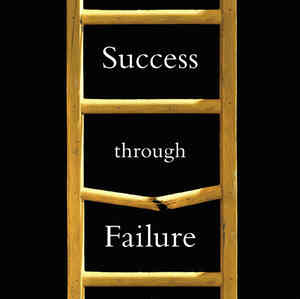 A Big Idea that came out of my EduCon 2.4 experience was creating conditions in which failure is acceptable, useful, and fast. Students failing at something should be viewed as something instructive to both learner and educator. A classroom without risk damns those who don’t “get it” the first time. I really took to this idea and thought it related well to the kind of writing instruction I do with my 2nd grade classes.
 As a classroom teacher, my position would likely not be among those eliminated within the next weeks to close the $61 million budget gap by June. Still, it was painful to read the list of items on the SRC’s “Options Menu” during that Thursday, January 19th meeting. How many more colleagues’ lives will be affected by massive layoffs, and how will the students cope? School police officers, nurses, bilingual counseling assistants, teachers, music programs, athletics—how do they matter in the lives of our students, and how do students experience the loss of these resources and relationships?